

Decatur, GA Warehouse Floor Line Striping: Precision and Durability for DeKalb County Facilities
Atlanta Line Striping brings over 32 years of unparalleled expertise in industrial floor marking to Decatur, Georgia. As a leading contractor, we understand the critical role that meticulously applied warehouse floor striping plays in optimizing operational efficiency, enhancing safety, and ensuring OSHA compliance within your facility. Serving the 30030 zip code and the broader DeKalb County, our solutions are engineered to meet the rigorous demands of modern logistics and manufacturing environments, from facilities near Agnes Scott College to those adjacent to the bustling I-285/US-78 interchange.
The Imperative of Professional Floor Marking in Decatur’s Industrial Landscape
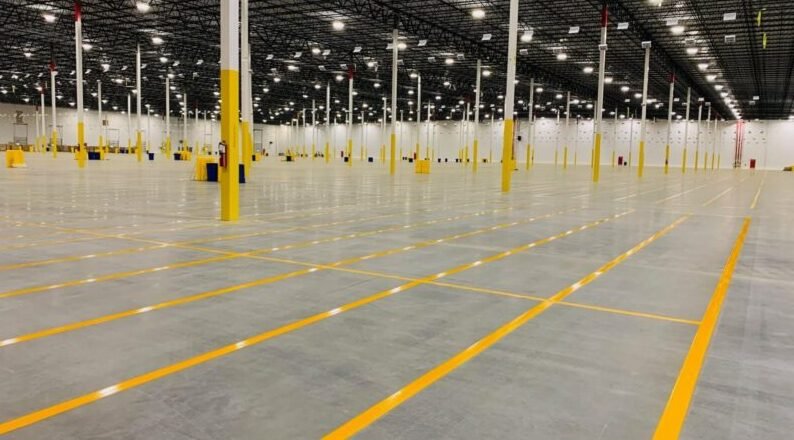
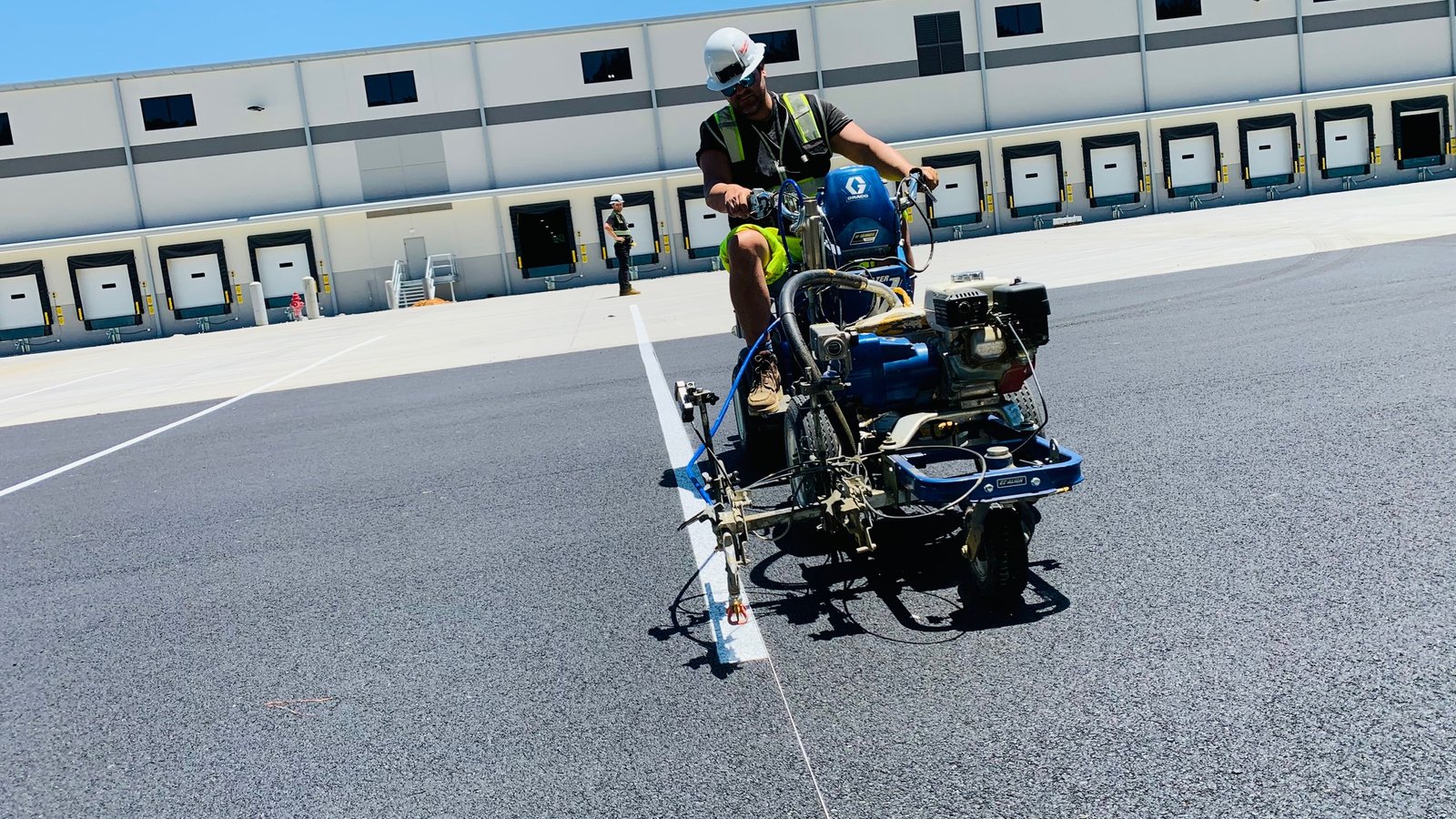
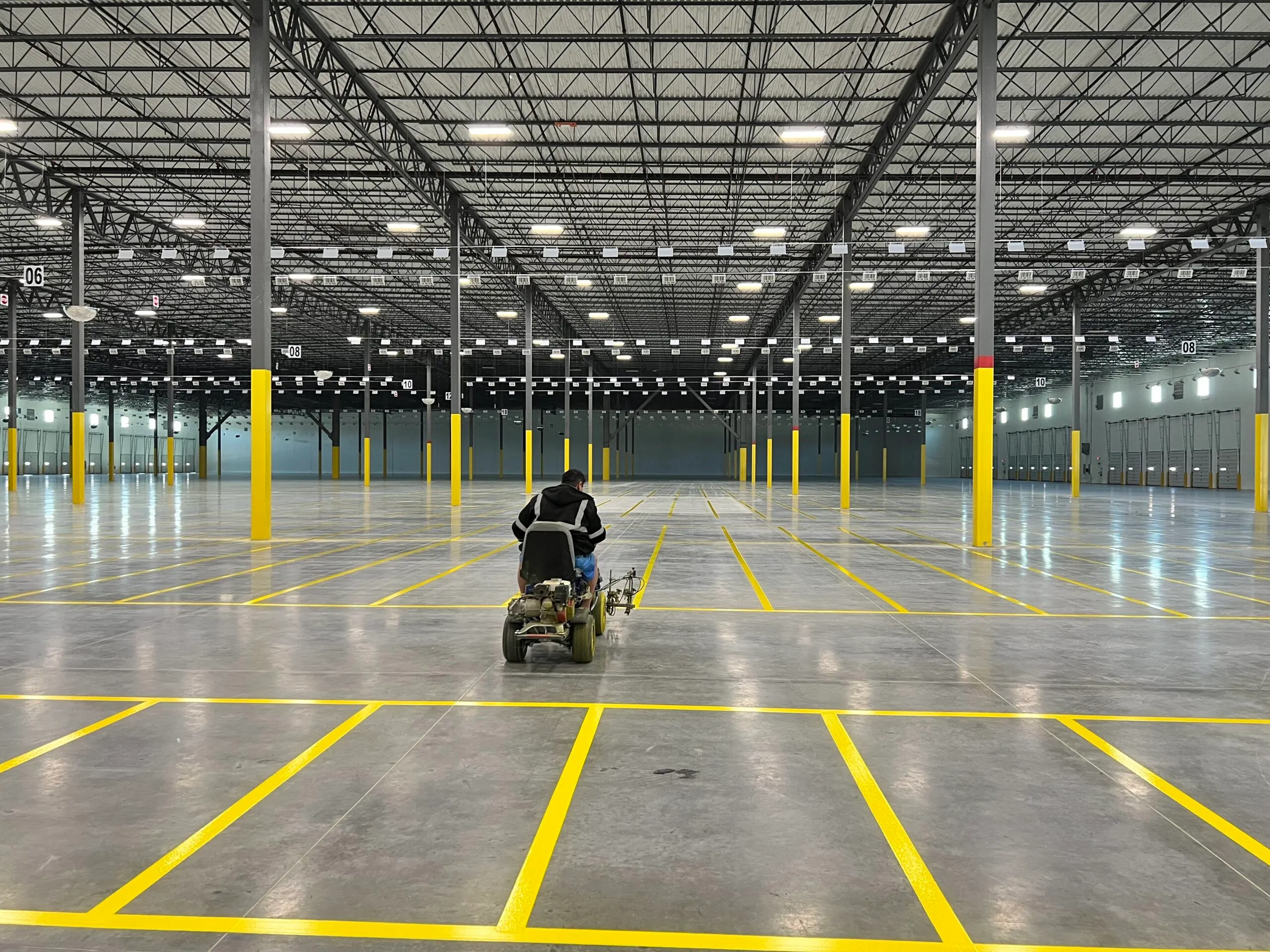
In Decatur’s dynamic industrial sector, clear and durable floor markings are not merely an aesthetic choice; they are a foundational element of a safe and productive workspace. Our services encompass a comprehensive range of applications, including pedestrian walkway boundaries, forklift traffic lanes, staging lanes, and 5S floor marking systems. These systems are vital for preventing accidents, streamlining material flow, and maintaining an organized operational footprint, directly contributing to your bottom line.
Engineered for Georgia’s Climate: Longevity in DeKalb County
The longevity and performance of warehouse floor striping in Decatur are significantly influenced by Georgia’s unique climate. High humidity levels, fluctuating temperatures, and the potential for moisture intrusion are critical factors that demand specialized material selection and application techniques. Atlanta Line Striping utilizes advanced epoxy coatings and durable industrial paints specifically formulated to withstand these environmental challenges. Our preparation process often includes shot blasting to ensure optimal adhesion, mitigating issues like premature peeling or fading common in less robust applications. This meticulous approach guarantees that your floor markings, whether in a cross-dock facility or a manufacturing plant, maintain their integrity and visibility for years, even under heavy industrial traffic and exposure to varying weather conditions typical of the region.
Case Study: Optimizing Logistics at a Decatur Distribution Center
Challenge: A prominent distribution center located near the Decatur Square, handling high volumes of inbound and outbound freight, faced significant operational bottlenecks and increased safety incidents due to faded and inadequate floor markings. The existing paint had deteriorated rapidly under constant forklift traffic and the humid Georgia climate, leading to confusion in staging lanes and cross-dock operations. The facility required a robust, long-lasting floor marking solution that could withstand heavy industrial use and clearly delineate pedestrian walkways, forklift paths, and storage areas to improve efficiency and meet stringent OSHA compliance standards.
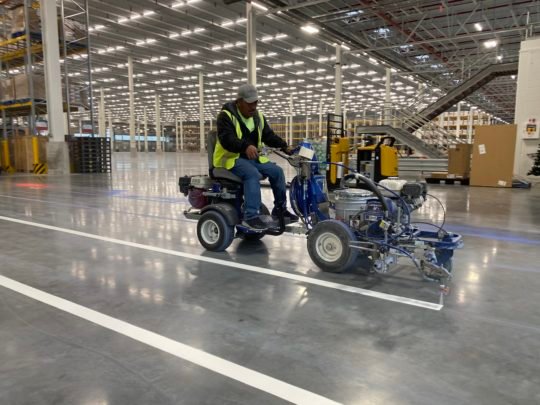
Solution: Atlanta Line Striping was engaged to design and implement a comprehensive floor marking system. Our team began with a thorough assessment of the facility’s operational flow and safety requirements. We recommended a multi-stage approach utilizing high-performance, two-part epoxy coatings known for their superior durability and chemical resistance. The project commenced with extensive shot blasting across approximately 15,000 linear feet of existing markings to ensure optimal adhesion of the new coatings. For color coding, we implemented a system where safety yellow was used for forklift traffic lanes and pedestrian walkway boundaries, blue for raw material staging lanes, and red for finished goods holding areas. This strategic color coding facilitated quick visual identification and reduced errors in material handling. The application was meticulously planned to minimize disruption, with work conducted in segmented zones during off-peak hours.
Result: The project was completed within a 10-day timeline, ahead of schedule, with minimal impact on the distribution center’s operations. The new epoxy floor markings provided a vibrant, highly durable, and clearly defined operational layout. The facility reported a 25% reduction in internal logistics errors and a significant decrease in near-miss incidents within the first three months post-implementation. The enhanced visual cues and clear pedestrian pathways greatly improved overall safety and operational efficiency, allowing for smoother cross-dock transfers and more organized staging. The facility manager praised the clarity and longevity of the markings, noting their critical role in maintaining a high standard of workplace safety and productivity, particularly in an environment subject to the region’s challenging climate conditions.
What Our Decatur Clients Say
“Atlanta Line Striping transformed our warehouse near Agnes Scott College. The new 5S floor marking system has dramatically improved our workflow and safety protocols. Their team was professional, efficient, and understood the unique challenges of our operation. The epoxy coatings they used are holding up exceptionally well, even with our constant heavy traffic.”
— Sarah J., Facility Manager, Decatur Logistics Solutions
“We needed a reliable partner to re-stripe our distribution center on the outskirts of Decatur, close to the I-285/US-78 interchange. Atlanta Line Striping delivered beyond our expectations. Their attention to detail, especially with the pedestrian walkway boundaries and cross-dock lanes, has made a noticeable difference in our daily operations and OSHA compliance. Highly recommend their expertise for any industrial flooring needs in DeKalb County.”
— Mark T., Operations Director, DeKalb Freight Hub
Ready to Optimize Your Decatur Warehouse?
Don’t let faded or inadequate floor markings compromise your operational efficiency or safety. Partner with Atlanta Line Striping for durable, compliant, and precisely applied warehouse floor striping solutions.
Schedule Your Decatur Consultation Today!
Frequently Asked Questions About Warehouse Floor Striping
Q: How much does warehouse floor striping cost in Decatur?
A: The cost of warehouse floor striping can vary significantly based on several factors, including the total linear footage, the type of material used (e.g., standard industrial paint vs. high-performance epoxy coatings), the complexity of the layout (e.g., intricate 5S floor marking systems vs. simple lane lines), and the amount of preparation required (e.g., shot blasting existing markings). We provide detailed, transparent quotes after a thorough on-site assessment of your Decatur facility to ensure accuracy and address your specific needs.
Q: What’s the difference between epoxy coatings and standard industrial paint for warehouse floors?
A: While standard industrial paints offer a cost-effective solution for some applications, epoxy coatings provide superior durability, chemical resistance, and longevity, especially in high-traffic industrial environments like those found in DeKalb County. Epoxy forms a much harder, more resilient surface that stands up better to abrasion, heavy machinery, and spills. This makes it ideal for critical areas such as forklift traffic lanes, cross-dock zones, and staging lanes where maximum wear resistance is required. Our experts can help you determine the best material for your specific operational demands and budget.
Q: How long does it take for warehouse floor striping to dry and be ready for use?
A: Drying and cure times depend heavily on the type of material used and environmental conditions, including temperature and humidity, which are particularly relevant in Georgia. Standard industrial paints typically dry to the touch within a few hours and can be open to light traffic within 24 hours. Epoxy coatings, while more durable, generally require a longer cure time, often taking 24-48 hours for light traffic and up to 7 days for full chemical resistance and heavy use. We always provide clear guidance on expected drying and cure times for your specific project to help you plan your operations accordingly and minimize downtime.
